From Pain to Pleasure: Addressing Pain With Intercourse
Sexual health is an important part of overall well-being, yet pain during intimacy is something many women experience, often in silence. Discomfort with penetration, burning sensations, or deep pelvic pain can affect not only the body but also emotional connection, confidence, and self-trust.
Pain during sex is never something you have to accept as normal. With understanding, awareness, and the right tools, it’s possible to retrain the body, calm sensitivity, and begin experiencing intimacy with comfort and confidence again.
Understanding Pain With Intercourse

Pain during sexual activity, medically referred to as Dyspareunia, can show up in different ways. For some, it feels like a sharp or burning pain near the entrance; for others, it’s a deep ache or lingering soreness after intercourse.
This kind of pain is rarely caused by one single thing. It can be influenced by muscle tension, hormonal changes, or the body’s stress response. The first step toward healing is understanding what your body is trying to communicate, because once you know the “why,” real progress can begin.
Common Causes of Dyspareunia
Inflammation or Infection
Yeast infections, bacterial vaginosis, or pelvic inflammatory conditions can cause inflammation and tenderness in the pelvic region. It’s important to rule out these factors with your healthcare provider before exploring pelvic floor rehabilitation or self-guided release strategies.Pelvic Floor Muscle Tension
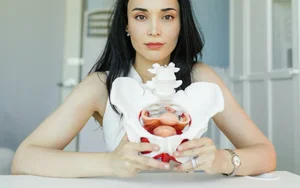
Tight or overactive pelvic floor muscles are one of the most common contributors to pain with intercourse. These muscles support and surround the vaginal and anal openings, and when they stay tense for long periods, penetration can feel painful or restricted, almost as if the body is bracing for protection rather than allowing ease.Scar Tissue and Tissue Sensitivity
After childbirth, surgery, or injury, scar tissue can form and reduce mobility in the surrounding area. This can make tissues more sensitive and reactive, sometimes leading to discomfort during movement or intimacy.Hormonal Shifts
Changes that occur during postpartum recovery, breastfeeding, perimenopause, or menopause can reduce natural lubrication and tissue elasticity. This dryness or thinning can create friction and irritation, making intercourse uncomfortable or even painful.Emotional and Nervous System Factors
Stress, anxiety, and past experiences can all influence how the body responds to touch. When the nervous system perceives threat or fear, the pelvic floor muscles may tighten reflexively as a form of protection. This response is subconscious and very real. Healing begins when the body starts to feel safe again, and that process often involves both physical and emotional awareness.
How Can Practical, Self-Guided Learning Create a Path Toward Healing Dyspareunia?
Healing pain with intercourse begins with understanding the body’s patterns of tension, protection, and response. The pelvic floor plays a central role in this process. These muscles don’t just support the pelvis; they reflect how safe or stressed the body feels.
Through evidence-based pelvic floor therapy, you can learn how to retrain these muscles, calm the nervous system, and begin restoring trust and comfort in your body; at your own pace, from your own space.
Knowledge and Empowerment
Understanding your anatomy and how your body responds to stress transforms the healing process. Knowledge gives you confidence, and confidence leads to change.
Awareness and Assessment
The first step is understanding your body’s current state. By learning how to identify patterns of muscle tension, breathing habits, and emotional triggers, you begin to uncover what’s contributing to pain. Awareness is the foundation of change.
Guided Release and Movement
Gentle self-guided techniques, like mindful breathing, stretching, and relaxation exercises, can help the pelvic floor let go of chronic guarding. When practiced consistently, they teach your body that it’s safe to move without pain.
Nervous System Regulation
Pain often persists when the body stays in a state of protection. Through nervous system re-education and relaxation practices, you can gradually retrain your system toward safety, reducing hypersensitivity and restoring natural function.
Breathing and Body Connection
The diaphragm and pelvic floor move together with every breath. Learning to coordinate your breathing helps improve circulation, reduce tension, and reintroduce a sense of ease within your body.
At Intimate Physio, we’ve turned over a decade of patient care, clinical experience and evidence-based reasech and into accessible online education that helps women reconnect with their bodies, release pain, and rediscover pleasure; privately, safely, and at their own pace.
Ready to Begin Your Journey?
Your healing journey can begin whenever you feel ready. With Intimate Physio’s self-guided courses, you’ll discover step-by-step strategies to help you overcome painful intercourse with confidence and privacy; always on your own terms, in your own space.
👉 Explore our courses and e-books today and discover a path to comfort, confidence, and connection.