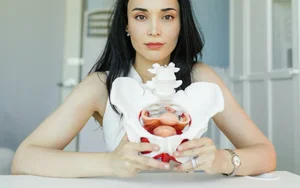
Renova: Ease Vaginal Dryness and Painful Sex From Home
Vaginal dryness, painful sex and pelvic floor tension don't require a clinic to address. Renova, The Intimate Physio's online program, gives you the pelvic floor retraining, nervous system regulation and intimate health education you need, entirely from home, at your own pace.
Inside Renova you get the Pleasure Path course, a private shame-free community of women on the same journey, weekly live Q&A sessions directly with me, and downloadable guides and workbooks.
📌 Key Takeaways
Vaginal dryness is primarily caused by reduced estrogen, most commonly during perimenopause and menopause, but also postpartum, while breastfeeding, and as a result of certain medications.
It is not just an internal problem; vulvar dryness affects the external tissues equally.
Symptoms go well beyond dryness alone and include burning, itching, painful sex, vulvar irritation, and recurrent urinary symptoms.
Pelvic floor physiotherapy directly improves blood flow, tissue health, muscle function, lubrication, and sexual comfort.
Moisturizers, lubricants, and hormonal treatments complement pelvic floor rehabilitation for optimal results.
A self-guided online program gives women access to all of these tools from home without a clinic, a waiting list, or an appointment.
What Is Vaginal Dryness?
Vaginal dryness occurs when the vaginal tissues lose their natural moisture, elasticity, and lubrication. The primary driver is reduced estrogen, the hormone responsible for keeping vulvovaginal tissues healthy, hydrated, and resilient. When estrogen levels fall, the vaginal walls thin, natural secretions decrease, and the tissues become more fragile, sensitive, and prone to irritation and pain.
What most women don't realize is that this process doesn't only happen during menopause. Vaginal dryness can develop at any stage of life, and recognizing it early makes a significant difference to how quickly and completely relief is achieved.
What Causes Vaginal Dryness?
The most common causes are perimenopause and menopause, postpartum hormonal shifts, breastfeeding, certain medications, including anti-estrogen treatments and antihistamines, chemotherapy or radiation therapy, some hormonal contraceptives, and chronic stress or anxiety that suppresses hormonal function. In every case, the underlying mechanism is the same: estrogen levels fall, and vaginal tissues lose the hydration, thickness, and lubrication that make intimacy and daily comfort possible.
What Are the Symptoms of Vaginal Dryness?
Vaginal dryness presents differently from woman to woman. The most common symptoms are vaginal itching or irritation, a persistent burning sensation, pain during intercourse, increased susceptibility to urinary or vaginal infections, general dryness and discomfort in the vulvovaginal area, irritation when wearing underwear or tight clothing, and microtears or light spotting after sex. Vulvar dryness affecting the external tissues is equally common, since reduced estrogen affects both areas simultaneously. Together, these symptoms significantly impact daily comfort, intimacy, emotional well-being, and confidence.
How Does Pelvic Floor Physiotherapy Help Vaginal Dryness?
This is the piece most women are never told about, and it makes an enormous difference. Pelvic floor physiotherapy addresses vaginal dryness not by replacing hormones but by directly improving the tissue environment in which dryness occurs.
When estrogen levels drop, pelvic floor muscles often tighten and become less responsive, blood flow to the pelvic tissues decreases, and the entire vulvovaginal area becomes more sensitive and reactive. Pelvic floor physiotherapy works by improving circulation to the pelvic tissues, releasing the muscle tension that compounds dryness-related pain, restoring tissue suppleness through targeted rehabilitation, improving pelvic floor coordination and relaxation for more comfortable intimacy, and addressing the nervous system sensitization that makes even mild dryness feel intensely painful.
Women who combine pelvic floor rehabilitation with lubricants, moisturizers, and hormonal treatments consistently report significantly better outcomes than those using medical treatments alone.
Prefer to be seen in person in BC? Nasim also treats vaginal dryness at OVA Women's Health Physiotherapy in Burnaby.
What Else Can Help With Vaginal Dryness?
Vaginal and Vulvar Moisturizers
Moisturizers maintain baseline tissue hydration when used regularly, not just before sex. Vaginal moisturizers are used internally every two to three days. Vulvar moisturizers are applied externally to the labia and surrounding skin. Both should be fragrance-free, pH-balanced, and free from glycerin and parabens.
Lubricants
Lubricants reduce friction and pain during sexual activity and are used in addition to moisturizers, not instead of them. Water-based or silicone-based lubricants are the safest options. Avoid anything containing glycerin, perfume, or warming agents, as these irritate already-sensitive tissues.
Hormonal Treatments
When dryness is driven by menopause or significantly low estrogen, a physician may recommend local hormonal treatments, such as topical estrogen creams, vaginal estrogen tablets, or estrogen rings. These restore tissue thickness, moisture, and elasticity with minimal systemic absorption and are safe for most women. Always discuss options with your doctor or gynecologist.
Three Things You Can Start Today
Do diaphragmatic breathing daily. Slow, deep belly breathing activates the parasympathetic nervous system, the body's rest and repair state, and directly promotes pelvic floor relaxation and improved blood flow to pelvic tissues. Five minutes every morning makes a measurable difference over time.
Pelvic floor release work. For most women experiencing vaginal dryness, the pelvic floor is tight and guarded, which intensifies pain and discomfort. Gentle release exercises focused on the let-go phase rather than contraction restore tissue flexibility and reduce sensitivity.
Not sure if your pelvic floor is too tight? Try the free pelvic floor tightness self-check.
Switch to the right products. pH-balanced, fragrance-free vulvar moisturizers and lubricants immediately reduce irritation and create a better tissue environment for healing. This is one of the simplest and most impactful changes you can make today.
Renova: Self-Guided Relief From Home
Vaginal dryness, painful sex, and pelvic floor tension don't require a clinic to address. Pleasure Path, The Intimate Physio's self-guided online rehabilitation program delivers the pelvic floor retraining, nervous system regulation, and intimate health education you need, entirely from home, at your own pace.
Inside Renova, you get the Pleasure Path course, a private community of women on the same journey, weekly live Q&A with me, and downloadable guides and e-books. The program takes at least 3 months to work through: $297 in total, billed at $99/month.
Start with a 7-day free trial. Explore Renova →
❓Frequently Asked Questions
-
No. While menopause is the most common cause, vaginal dryness affects women at many life stages, including postpartum women, breastfeeding mothers, women on certain hormonal contraceptives, and women undergoing cancer treatment. Any significant drop in estrogen can trigger vaginal dryness regardless of age.
-
Yes, vaginal dryness is one of the most common causes of painful intercourse. When vaginal tissues are dry and thin, friction during sex causes burning, tearing sensations, and microtears in the tissue. Pelvic floor physiotherapy combined with appropriate lubricants and moisturizers directly addresses this pain.
-
Yes. Pelvic floor physiotherapy improves blood flow to pelvic tissues, releases muscle tension that compounds pain, restores tissue flexibility, and addresses nervous system sensitization that makes dryness-related discomfort worse. It works most effectively when combined with moisturizers, lubricants, and hormonal treatments where indicated.
-
Water-based or silicone-based lubricants are the safest options. Avoid products containing glycerin, fragrance, warming agents, or parabens, as these irritate sensitive tissues. Lubricants should always be used during sexual activity in addition to, not instead of, a regular vaginal or vulvar moisturizer.
-
Yes. Many women see significant improvement through pH-balanced vaginal moisturizers used regularly, appropriate lubricants during intimacy, pelvic floor release exercises, and nervous system regulation practices. A structured self-guided online program designed by a qualified pelvic health physiotherapist gives you all of these tools in one place without a clinic appointment.
-
See a doctor or gynecologist if your symptoms are severe, if you are experiencing significant hormonal changes around menopause, or if over-the-counter treatments are not providing enough relief. Local hormonal treatments prescribed by a doctor can be highly effective and are safe for most women, and they work best when combined with pelvic floor rehabilitation.

Written by Nasim Delfaninejad, MScPT
Licensed Pelvic Health Physiotherapist, specialised in vaginismus, vulvodynia and painful sex. About Nasim