How to Clean Your Vulva: A Pelvic Physio's Guide
Most of us were never taught how to care for our vulva, so it is easy to end up with products and habits that cause more irritation than they prevent. The good news is that healthy vulva care is simpler than the beauty aisle suggests.
This guide covers why water is usually enough, how to choose a gentle cleanser if you like using one, which ingredients to avoid, and a simple routine you can follow every day.
Why Water Alone is Often Enough
Your vulva and vagina come with their own protection. The skin of the vulva holds a layer of helpful bacteria, and the vagina cleans itself with natural discharge that is slightly acidic, which keeps unwanted bacteria in check.
That means you do not need soap or scrubbing to stay clean. For most women, rinsing the vulva with lukewarm water removes sweat and dead skin without upsetting that balance. Fragrances, dyes and harsh ingredients are far more likely to cause trouble than to help.
When it comes to vulva care, less really is more.
The Problem with Using Too Many Products
Products made for the rest of your body are often too strong for this area. They can cause:
Dryness: many soaps strip the natural oils that keep vulvar skin soft and protected.
A disrupted pH: the vagina is naturally acidic, around 3.5 to 4.5. Products with a higher pH can shift that balance and make infections more likely.
Irritation: vulvar skin is thinner and more sensitive than skin elsewhere, so harsh cleansers can leave it itchy, red or sore.
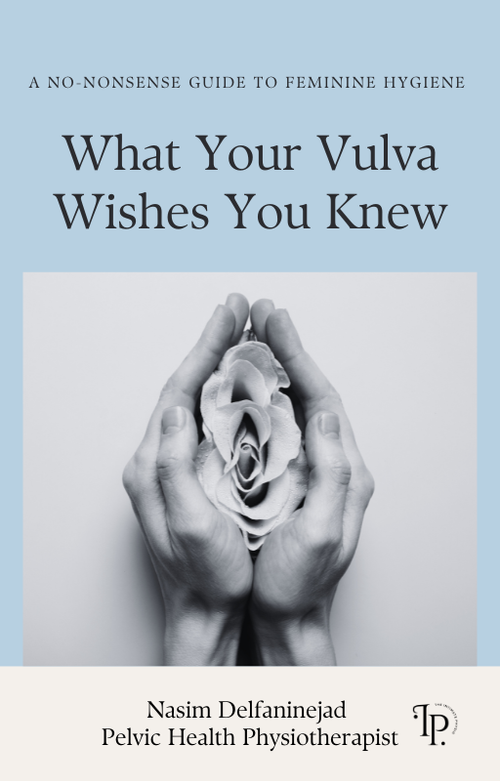
Nasim's E-Book
What Your Vulva Wishes You Knew
Avoiding irritation isn't about more products. It's about the right knowledge.
- Which ingredients protect your natural balance and which ones disrupt it
- Simple care routines for periods, postpartum and menopause
- Early signs something isn't right, and when to get help
When and Why You Might Choose to Use a Cleanser
Water is enough for most women, but plenty of people simply feel fresher with a gentle wash, especially after exercise or on hot days. That is completely fine, as long as the product respects your natural balance.
Here is what to look for, and what to leave on the shelf.
Guide to Safe Cleansers for the Vulva
Look for a cleanser that is mild, fragrance-free and pH-balanced. These three are easy to find and gentle enough for vulvar skin:
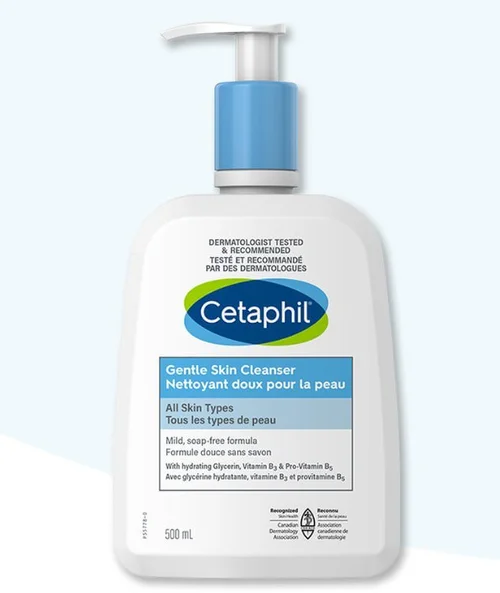
Cetaphil Gentle Skin Cleanser
A soap-free, fragrance-free wash made for sensitive skin. It cleans without stripping moisture or disturbing your natural acidity.
Why it works: gentle and unscented, so it hydrates rather than irritates.
View on Amazon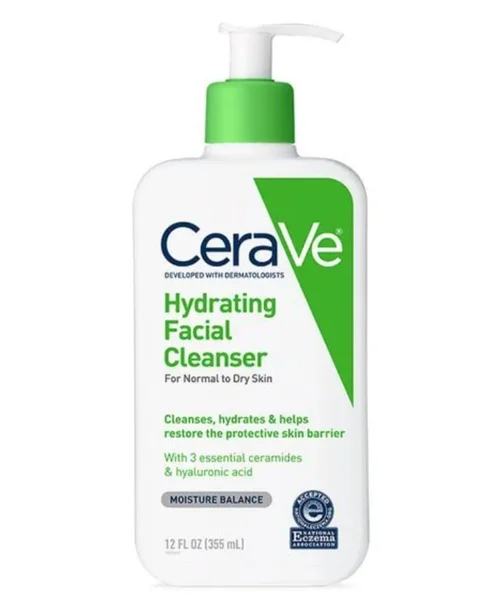
CeraVe Hydrating Cleanser
Ceramides and hyaluronic acid help the skin hold on to moisture and protect its natural barrier. Fragrance-free and non-irritating.
Why it works: it supports the skin barrier, which matters most in delicate areas.
View on Amazon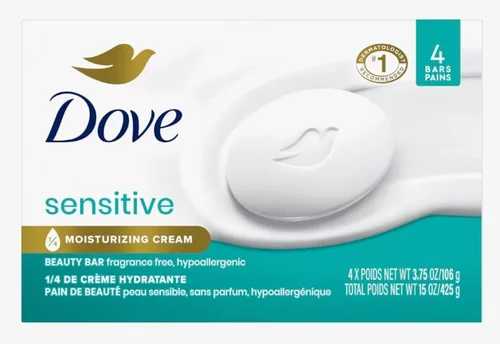
Dove Sensitive Skin Unscented Bar
A mild, moisturizing bar with no added fragrance, designed for sensitive skin.
Why it works: it cleans gently while helping prevent dryness.
View on AmazonAs an Amazon Associate, The Intimate Physio earns from qualifying purchases.
Avoid Cleansers with Salicylic Acid
Skip facial cleansers that contain salicylic acid. It is great for acne because it breaks down oil and exfoliates skin, but vulvar skin makes far less oil than your face and is much more delicate. On the vulva, it can cause:
Dryness: it strips away natural moisture and leaves the skin uncomfortable.
Irritation: its exfoliating action can create tiny tears, leading to redness, swelling and pain.
More sensitivity: once the skin is irritated, even clothing or everyday movement can sting.
How to Properly Clean Your Vulva
How you wash matters as much as what you use. A simple routine:
Use lukewarm water: hot water dries the skin.
Wash the outside only: clean the labia and the skin around the vaginal opening. The vagina cleans itself, so nothing needs to go inside.
Use your hand: skip washcloths, loofahs and sponges, which are too rough for this area.
Rinse well: if you use a cleanser, make sure none is left behind.
Pat dry: use a soft towel and avoid rubbing.
Key Takeaways
Water is usually all your vulva needs. If you prefer a cleanser, choose one that is gentle, fragrance-free and pH-balanced, and avoid salicylic acid and scented products.
If irritation, burning or itching keeps coming back even with gentle care, it may not be a hygiene problem at all. Ongoing vulvar pain can be linked to pelvic floor tension or nerve sensitivity, so it is worth speaking to your healthcare provider or a pelvic health physiotherapist.
Prefer to be seen in person in BC? Nasim also helps women with vulvar irritation at OVA Women's Health Physiotherapy in Burnaby.
Frequently Asked Questions
-
For most women, yes. The vulva and vagina have their own protective systems, and a rinse with lukewarm water is enough for daily hygiene.
-
No. The vagina cleans itself. Washing or douching inside can upset its natural balance and make infections more likely.
-
Choose a mild, fragrance-free, pH-balanced cleanser, such as a soap-free sensitive skin wash, and use it on the outside only.
-
Often it is a reaction to fragrance, harsh soap or over-washing. If it continues after switching to water or a gentle cleanser, speak to your healthcare provider, as ongoing irritation can have other causes.
Keep Learning From Home
Private, practical pelvic health support you can use anywhere.
What Your Vulva Wishes You Knew
Nasim's complete guide to everyday vulva care, from safe products to life-stage routines. US$9.99.
Get the E-Book →Free Self-Assessments
Check your pelvic floor symptoms privately in a few minutes and see where to start.
Take a Free Self-Check →Recommended Products
Nasim's picks for vulvar care, pelvic health and intimacy, all in one place.
Shop Products →
Written by Nasim Delfaninejad, MScPT
Licensed Pelvic Health Physiotherapist, specialised in vaginismus, vulvodynia and painful sex. About Nasim